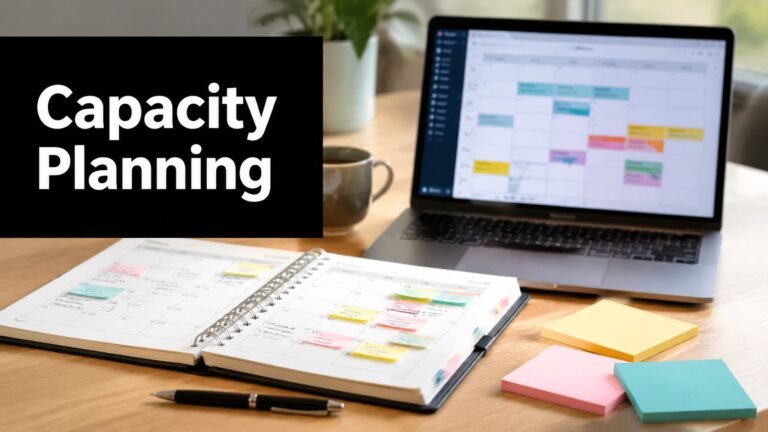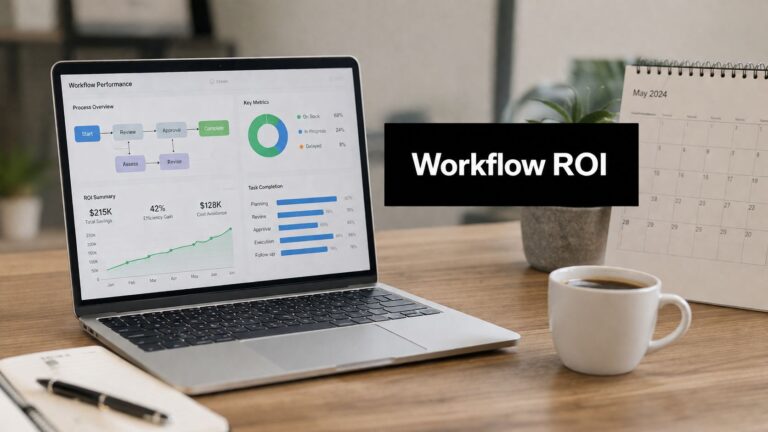


Friday afternoon used to mean one thing on my teams, reconciliation. People would open Google Calendar, scan a week of half-finished meetings, and then try to rebuild the story in a timesheet that was already stale. The CRM had one version of the day, finance had another, and the project manager was left guessing which calls were billable, which ones were internal, and which ones no one remembered to log.
That's where Google Calendar automation stopped being a nice-to-have and started being basic operations hygiene. The point isn't to make the calendar look smarter. The point is to remove the gap between what happened and what gets reported, because that gap is where billing errors, utilization blind spots, and wasted admin time pile up.
The Monday morning timesheet problem
By Monday morning, the damage is already baked in. A designer remembers two client reviews but not the exact lengths. A consultant's day is split across “quick check-ins” that never made it into the timesheet. The ops lead gets a spreadsheet that looks neat enough, but it doesn't match the calendar, and that mismatch turns into another round of follow-up.

This is why calendar automation matters more than people first think. It's not just about reminders or recurring meetings. Google's own developer guidance shows that calendar data can be paired with Google Sheets to record project time and create a timesheet, with activity categorized by customer, project, and task. That's the operational sweet spot, because once the event is captured at the source, you stop relying on memory later in the week.
What usually breaks first
Many teams don't fail because they lack tools. They fail because the handoff from calendar to reporting stays manual, so every step introduces room for error. If someone has to retype event names, classify work by hand, or copy calendar entries into another system, the process slows down and the data gets worse.
Practical rule: if the calendar is already the place where work gets scheduled, it should also be the place where work gets tagged.
The win is simple. You want time capture, tagging, CRM sync, and reporting to flow from one source of truth. If those four pieces stay disconnected, your calendar becomes a record of meetings, not a record of work.
What Google Calendar can do on its own
Google already ships more automation than many teams use. Built-in tools like Appointment Schedules, Focus Time, Time Insights, and automatic event detection from Gmail move Calendar beyond basic booking and into day-to-day operations support. That matters because a lot of routine admin can stay inside Google Workspace instead of getting pushed into extra software.
Start with native controls
The easiest place to begin is the product itself. In Google Calendar, a user can create an appointment booking page from the desktop app by going to Create and then Appointment schedule. The setup lets you add a title, appointment duration, date and time, optional custom questions, and an optional meeting location, then save the schedule and copy the booking link.
Admins also have a separate control point. Google Workspace admins can decide whether invitations get added automatically, and Google documents three behaviors, invitations from everyone, invitations only from known senders, or invitations only after users respond to email invitations. Group settings override organizational unit settings, so the admin model matters if different teams need different rules.
When Apps Script makes sense
If native settings stop short, Apps Script is the usual next move. The standard path is straightforward, open the Apps Script editor, enable the Google Calendar API, create OAuth credentials, then add time- or event-based triggers so the workflow runs on its own. That sequence is the technical backbone for recurring automation, because it turns a manual task into something the system can repeat without someone clicking “run” each time.
There's a limit, though. Native tools handle straightforward scheduling and reminders well, but once you need custom tagging logic, reporting fields, or sync rules, you're in workflow territory. That's where the next decision starts to matter.
Choosing between Apps Script, Zapier, and Make
When native Calendar features run out, teams often end up in one of three places. The choice is less about what looks clever and more about how much control you need versus how fast you need it live.
| Automation platform comparison | Best for | Trade-off |
|---|---|---|
| Apps Script | Internal, repeatable logic your team owns | Needs a developer, and scope changes can break it |
| Zapier | Workflows across many SaaS apps that need to ship fast | Cost scales with task volume |
| Make | Complex workflows without code | More setup than simple no-code tools |
Apps Script fits teams that want to stay close to Google Workspace and own the logic themselves. That's useful when the workflow is stable, internal, and tied to things like calendar tags, Sheets, or custom reporting. The catch is that it's not forgiving if your team doesn't maintain it.
Zapier is the fastest path when the workflow crosses several apps and someone needs it working this week. It's a decent choice for simple event routing, CRM handoff, or notifications, but task volume can turn into a cost problem if the workflow gets busy.
Make sits in the middle. I've seen it work well when a workflow needs more than one step, but the team still wants a visual builder instead of code. For a deeper task-automation context, this guide to automation of repetitive tasks is a useful companion read.
My rule of thumb is boring on purpose. If the team owns the logic and it won't change much, use Apps Script. If the workflow has to connect five tools by Friday, use Zapier. If it's messy but still no-code, use Make.
Tagging and rule-based time capture that actually works
Calendar automation becomes useful for reporting instead of just scheduling. Raw events are noisy. A meeting named “check-in” tells you almost nothing unless you add a rule that says who it was with, what project it belongs to, and whether it counts as billable or internal.
Build rules from signals people already create
The cleanest rules usually come from four places. You can match keywords in event titles, read attendee domains for client work, use color labels for project types, and apply default tags to recurring meetings. None of that is fancy, but it gives you structure without asking people to do more manual work.
A simple agency example makes this easy to see. If a marketing team tags events with the client domain in attendees and pairs that with a project tag, recurring account meetings can flow into billable time automatically while internal planning stays non-billable. That removes the weekly reminder chase, which is where most time capture systems lose people.
The catch is data quality. More automation doesn't mean better reporting if your rules are sloppy. A calendar full of tidy-looking events can still misstate utilization if a project tag is missing or a client meeting gets lumped into the wrong bucket.
Roll out narrow first
The safest way to start is narrow. Pick one recurring meeting type, test it on a personal calendar, and run it in parallel with manual scheduling before you widen the rules. That phased approach is the best guardrail against over-automation, especially when you're testing sync logic and reminder rules.
Practical rule: automate the meetings people already repeat, not the ones everyone still argues about.
That's also where tools like TimeTackle can fit naturally. It can sit on top of Google Calendar, add tagging rules, and push event data into Sheets for reporting, which matters when you want the calendar to become a usable timesheet instead of a pile of meetings.
Syncing events to your CRM, dashboards, and exports
A calendar event only becomes reporting data after it lands in the systems people use. For an operations team, that usually means a CRM, a dashboard, and an export path for finance or ops. Skip that handoff and you are left with tagged events that look organized but never show up in utilization reports, client summaries, or billing checks.
Treat the CRM as the customer record
Calendar activity needs to land on the right account record, not in a generic activity feed that nobody reviews. Whether your team uses HubSpot, Salesforce, or Pipedrive, the job is to connect the meeting to the customer, project, or opportunity that owns it. That is what makes calendar data useful for account reviews, pipeline notes, and delivery oversight.
Smart reminders have a place, but they should do more than fire before a meeting starts. A useful workflow nudges a consultant to tag a client call, reminds a PM when an event is missing a project code, or flags a meeting that never synced. If you are syncing calendar activity into HubSpot, a HubSpot connection walkthrough gives a practical example of how that handoff works in real teams.
Use exports as the reporting layer
Exports are where the calendar becomes something finance can read without rekeying anything. Sheets, Excel, CSV, and PDF serve different audiences, but the goal stays the same, nobody should type the same event twice. Google's Apps Script sample shows how event data can be paired with Google Sheets to record project time and create a timesheet categorized by customer, project, and task. That pattern matters because it turns raw meeting logs into utilization data that analysts can trust, assuming the tagging rules are consistent and the sync is clean.
The trade-off is obvious once you push calendar data through more than one system. Every extra handoff, CRM sync, sheet export, or dashboard feed creates another place for a missing tag, a duplicate event, or a renamed project to distort the numbers. If the team wants reliable reporting, the workflow has to protect the mapping between event title, project code, and account owner before the export ever runs.
For teams that want a broader view of how calendar data moves through systems, automation of data is a useful background read.
Privacy, access control, and the data you did not mean to share
The first privacy mistake usually shows up after the automation is already useful. A calendar stops being a private admin tool and starts feeding reports, shared sheets, CRM records, and export files. At that point, event titles, guest lists, and calendar comments can expose client names, internal project codes, or strategy notes to people who never needed that detail.
Set access before you set rules
Google Calendar gives you configurable visibility controls, shared calendar settings, and notification behavior, which means a loose workflow can surface more data than you planned. If a rule copies raw event titles into a shared sheet or a team calendar, it can broadcast more than the original meeting ever did. I have seen teams discover this only after finance, ops, and account leads were all reading the same export.
For agency and professional-services teams, the safer setup is usually least privilege. Use secondary calendars when the reporting layer does not need the full title, keep sensitive work off primary calendars when possible, and audit who can read what before automation goes live. If the calendar becomes your reporting system, you also need a way to trace who changed what and when. That matters even more once you start linking systems, whether you are trying to connect HubSpot and Xero seamlessly or push calendar data into other finance and operations tools.
A short access checklist
Before a team-wide rollout, I would ask four questions.
- Who can read the event title? If the answer is too broad, strip sensitive names out of the title.
- Which calendar carries client work? Separate work streams instead of mixing everything on one feed.
- What gets copied into exports? Do not send full detail into every downstream sheet by default.
- Can we audit the workflow later? If not, fix that before the automation becomes business-critical.
For a more tactical view on sharing controls, this guide to stopping calendar oversharing is worth keeping nearby. It is the same problem in a different place, since the leak often starts with a calendar permission that looked harmless during setup.
More automation can make the leak bigger, not smaller, if the access model is lazy.
Your 30-day rollout and what to do when it breaks
The teams that get value out of Google Calendar automation don't start wide. They build one clean path, prove it, and then expand. That sounds slow, but it saves more time than the usual big-bang rollout because it exposes bad rules before they spread.
A rollout that won't collapse in week two
In week one, automate one recurring meeting on a personal calendar. In week two, add tagging rules and compare the output against last month's manual timesheet. In week three, connect the calendar to one CRM record type and one export destination. In week four, extend the setup to the wider team, turn on notifications, and lock down access.
That sequence does two things. It keeps the rollout manageable, and it gives people time to trust the data before they depend on it. Google's own guidance and third-party rollout advice both point toward starting small and validating in parallel, which is exactly how I'd do it again.
The failure modes I check first
The problems are usually predictable.
- Rules match too broadly. A keyword catches internal meetings and client calls, so the reporting turns muddy fast.
- OAuth scopes break after a Workspace admin change. The workflow worked yesterday, then stops because permissions changed.
- Zapier tasks stop on a free-tier cap. The automation looks alive until it runs out of room.
None of those are glamorous failures, but they're the ones that waste the most hours. The fix is boring too, narrower rules, permission checks after admin changes, and monitoring on any external workflow that charges by task.
Calendar automation is not a cure for bad data hygiene. It won't fix a team that refuses to name meetings clearly or tag work accurately. What it does give you is a better foundation, because the calendar is already where the work starts and ends.
If you want a system that turns Google Calendar activity into cleaner time capture, tagging, and reporting, TimeTackle is built around that workflow. It connects calendar data to tags, exports, and utilization views so ops teams can spend less time cleaning up timesheets and more time managing the work itself. Visit TimeTackle to see how it fits your calendar process.